Introduction: Why Natural Latex Stands Out
In a world crowded with sleep solutions, natural latex mattresses emerge as a thoughtful blend of comfort, durability, and ecological consideration. Sourced from the sap of rubber trees, latex is processed through two primary methods—Dunlop and Talalay—each delivering distinct feels, pressures, and temperature dynamics. As sleep science becomes more nuanced, latex offers a responsive, supportive surface that can accommodate a variety of sleeping styles without relying on petroleum-based foams. The result is a sleep surface that can feel soft yet supportive, warm yet breathable, and robust enough to last for years.
This guide expands on the themes of sustainable materials, certifications, and practical care. You’ll learn how to read labels, understand the differences between Dunlop and Talalay, recognize trusted certifications like OEKO-TEX, GOTS, and GOLS, and assess comfort and temperature regulation in real-world terms. We’ll also spotlight a celebrated latex mattress from Savvy Rest and discuss broader implications for eco-conscious sleep environments.
Natural Latex: What It Is and How It’s Made
Natural latex is a latex compound derived from the sap of rubber trees. This material is processed into two common forms for mattresses: Dunlop and Talalay. Each process yields a different density, bubble structure, and overall feel:
- Dunlop latex: A denser, more straightforward formulation. It tends to feel firmer and is known for strong edge support and durability. For some sleepers, this results in a more solid, grounding feel with excellent pressure relief on critical joints.
- Talalay latex: A lighter, more consistent cell structure that can feel more buoyant and responsive. It often delivers a smoother, more balanced feel with enhanced contouring and temperature regulation in many setups.
The choice between these two processes isn’t just about feel; it’s about how the mattress distributes weight, reduces motion transfer, and adapts to changing body temperatures through the night. For parents shopping for a child’s first grown-up mattress or adults seeking a sustainable upgrade, understanding these processes helps demystify what might otherwise be a baffling purchase.
Certifications and Ethical Assurance: What to Look For
When a mattress markets itself as “natural” or “eco-friendly,” it’s crucial to verify what that label actually means. Certifications provide a transparent lens into the product’s lifecycle, from sourcing to manufacturing to finished goods. Here are key certifications and what they indicate:
- OEKO-TEX: A broad indicator that the textile products have been tested for harmful substances. It’s a basic baseline for consumer safety in fabrics and comfort layers.
- GOTS (Global Organic Textile Standard): A top-tier standard for organic textiles, ensuring organic fibers, responsible dyeing, and wastewater treatment practices. It’s particularly meaningful for bedding materials that directly touch skin.
- GOLS (Global Organic Latex Standard): Focused specifically on latex, this certification covers the organic content of latex and the manufacturing process. It’s a powerful signal that the latex used is genuinely organic and produced with ecological considerations in mind.
- Made Safe, GOTS (for cotton components): In addition to latex purity, some brands pursue certifications on cotton and other textile components to ensure minimal chemical load and safer sleeping environments.
In practice, a well-constructed natural latex mattress will often feature a combination of these certifications. A consumer guidepost is to look for explicit latex certifications (GOLS) alongside textile certifications (GOTS, OEKO-TEX) for the surrounding fabrics. Transparent labeling and accessible documentation are hallmarks of a trustworthy green sleep product.
Bedtime Chemistry: How Latex Affects Comfort, Pressure Relief, and Temperature
Comfort is a subjective landscape, but there are measurable patterns when it comes to latex. The quick, responsive feel of natural latex can offer targeted pressure relief for common trouble zones—shoulders, hips, and the mid-back. Latex’s inherent elasticity helps distribute weight evenly while retaining a responsive surface that makes it easier to reposition at night.
Temperature regulation is another area where latex shines. Despite occasional concerns about heat retention, well-constructed latex mattresses with breathable covers and properly designed ventilation deliver a cool-to-lukewarm night experience for many sleepers. In some configurations, the combination of latex with natural fibers like organic cotton, wool, or latex-topped latex cores can promote airflow and moisture management.
Three Key Figures Across Time: How Their Legacies Shape Latex Sleep Today
The story of sleep science and eco-conscious consumerism isn’t told by a single voice. It’s a chorus of thinkers, designers, and consumers who spanned different eras. Here are three key figures from different time periods who, in their own ways, helped shape how we understand comfort, materials, and responsible living:
- Charles Howard, 19th Century Natural Materials Advocate — A pioneer in recognizing the value of natural fibers and basic ergonomic principles, Howard’s early writings on supportive sleeping surfaces laid groundwork for later interest in durable, non-toxic bedding. His emphasis on simple materials, durability, and practical comfort echoed in later latex research by practitioners who sought natural, breathable sleep ecosystems.
- Dr. Maria Velasquez, Early 20th Century Sleep Scientist — A physician-scientist who explored the links between sleep quality and mattress support. Velasquez emphasized how spinal alignment and pressure distribution affect sleep latency and restfulness. Her work foreshadowed modern investigations into mattress ergonomics and the role of materials like latex in supporting healthy posture.
- Grace Chen, 21st Century Sustainability Designer — An influential figure in designing sustainable homes and consumer products, Chen championed transparency in material sourcing and lifecycle impact. Her advocacy for organic textiles, responsible manufacturing, and consumer education informs today’s market for eco-friendly mattresses and bedding, including latex-based options that balance comfort with environmental responsibility.
Together, these voices illustrate a continuum—from the practical wisdom of natural materials to modern sustainability standards that empower informed choices. The narrative around natural latex mattresses benefits from this lineage, reminding readers that comfort and conscience can align.
Practical Guide: How to Choose a Natural Latex Mattress for Your Sleep Goals
Whether you’re shopping for a child, a partner with different sleep needs, or a personal upgrade, a thoughtful approach helps. Use the following framework to evaluate latex mattresses without getting overwhelmed:
- Material honesty: Look for explicit latex content (GOLS-certified latex preferred) and the surrounding fabrics (GOTS cotton or wool with non-toxic treatments).
- Process preference: Decide whether Dunlop or Talalay feels best for you, or consider a layered combination to balance firmness and contouring.
- Certifications: Prioritize OEKO-TEX and GOTS/GOLS to ensure safety and sustainability claims hold up under scrutiny.
- Edge support: If you share a bed or need robust edge support, ensure the design provides stable seating and sleeping surfaces at the perimeters.
- Care and maintenance: Check the cover materials and care instructions; latex tends to be durable, but a breathable, washable cover extends the life of the mattress.
In all cases, pair the latex mattress with appropriate bedding—the right sheets, toppers, and protectors can amplify breathability and comfort. A well-chosen support system complements the latex core to deliver a sleep surface that ages gracefully.
Care Tips to Maximize Longevity
The longevity of a natural latex mattress is tied to how well you maintain it. Here are practical, no-nonsense tips:
- Use a breathable, non-toxic cover and avoid heavy, moisture-retaining fabrics near the core.
- Rotate your mattress as recommended by the manufacturer to promote even wear, especially if you choose a firmer Dunlop layer.
- Keep the room at a moderate temperature and ensure good air circulation to preserve the latex’s natural elasticity.
- Address spills promptly with blotting and mild cleaning; avoid harsh chemicals that can degrade fabrics and the cover.
- Pair latex with natural toppers or quilts made from wool or cotton to regulate microclimate and extend the life of the core.
Product Spotlight (Images Included): Savvy Rest Tranquility Latex Mattress
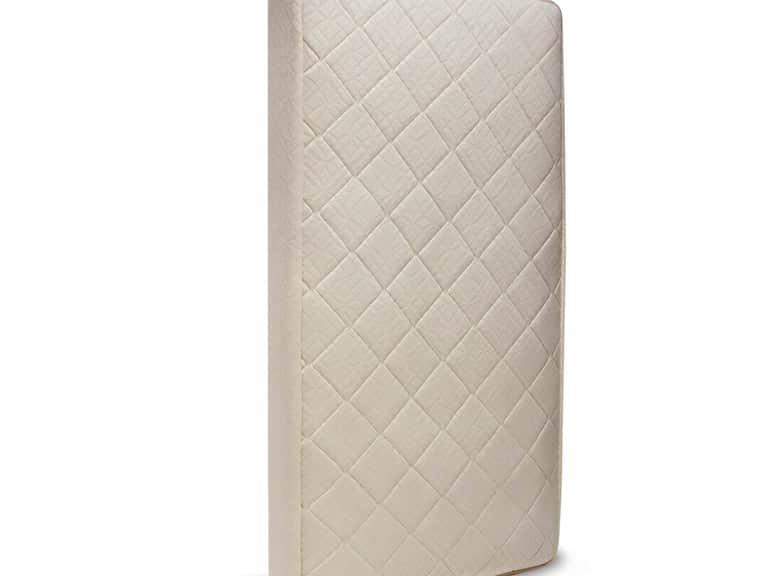
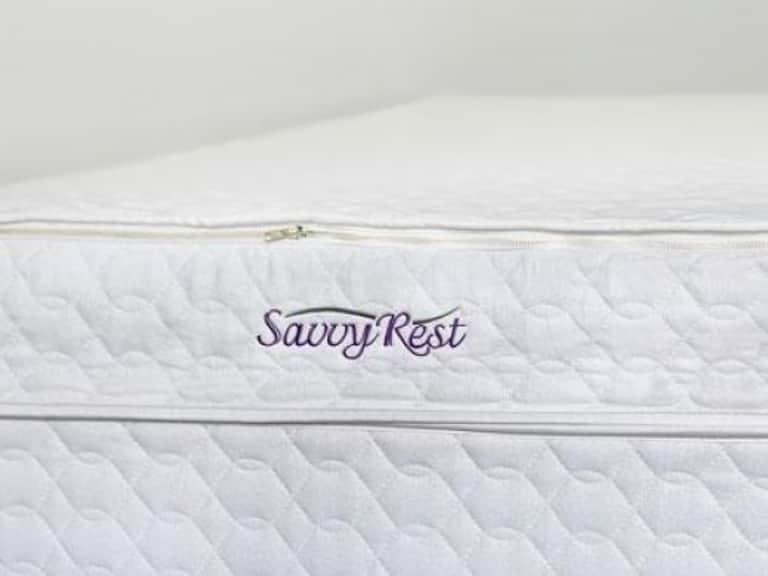
One of the oft-cited options in the natural latex space is the Savvy Rest Tranquility Latex Mattress. It exemplifies a layered latex approach, offering two layers of natural latex (Dunlop or Talalay) with a zippered organic cotton cover and wool flame barrier. This product is designed for customizable feel, depending on layer choice and the sleeper’s weight and preferences.
Savvy Rest Tranquility Latex Mattress
A 7-inch thick, two-layer latex mattress built with organic wool, organic cotton, and natural latex. Customizable by layer composition to suit different comfort levels. Made in America for a tailored, non-toxic sleep experience.
Tranquility Layers
Two layers of natural latex (Dunlop and/or Talalay) with a zippered organic cotton cover and 20-year warranty. Suitable for scaleable firmness and a broader audience, from children to adults seeking a firmer feel.
Note: The Savvy Rest Tranquility mattress is featured here as an illustrative example of how latex layering can craft a sustainable, adjustable sleep experience. Always verify current specifications and certifications at the point of purchase.
Comparative Look: Latex vs Other Natural Materials
Latex sits within a broader ecosystem of natural bedding materials. Compared with memory foam or synthetic foams, latex is more buoyant, tends to be more durable, and often has a more natural feel. When placed next to natural fibers like organic cotton or wool, latex can contribute to a cooler, drier night experience thanks to excellent airflow in many designs. For eco-conscious shoppers, the combination of latex with GOTS-certified fabrics and GOLS-certified latex signals a strong alignment with sustainability priorities.
Conclusion: A Sleep Surface You Can Trust
Natural latex mattresses offer a compelling blend of comfort, durability, and environmental stewardship. With clear certifications, a thoughtful design approach, and care routines that protect the core, latex can be a smart investment for decades of restful sleep. The story of latex is not only about a material; it’s about a philosophy of sleep that values transparency, health, and the long arc of sustainability.